- English
- Español
- Português
- русский
- Français
- 日本語
- Deutsch
- tiếng Việt
- Italiano
- Nederlands
- ภาษาไทย
- Polski
- 한국어
- Svenska
- magyar
- Malay
- বাংলা ভাষার
- Dansk
- Suomi
- हिन्दी
- Pilipino
- Türkçe
- Gaeilge
- العربية
- Indonesia
- Norsk
- تمل
- český
- ελληνικά
- український
- Javanese
- فارسی
- தமிழ்
- తెలుగు
- नेपाली
- Burmese
- български
- ລາວ
- Latine
- Қазақша
- Euskal
- Azərbaycan
- Slovenský jazyk
- Македонски
- Lietuvos
- Eesti Keel
- Română
- Slovenski
- मराठी
- Srpski језик

How Does a Loose Fiber Dryer Improve Drying Efficiency and Fiber Quality?
Article Summary
Loose fiber drying is a critical step in textile processing that directly affects product quality, production efficiency, and operational costs. A loose fiber dryer is specifically designed to handle delicate fibers while ensuring uniform drying and minimal damage. This article explores how loose fiber dryers work, the challenges they solve, and how to select the right equipment for your production line. Whether you are dealing with cotton, wool, or synthetic fibers, understanding the right drying solution can significantly enhance your output and consistency.
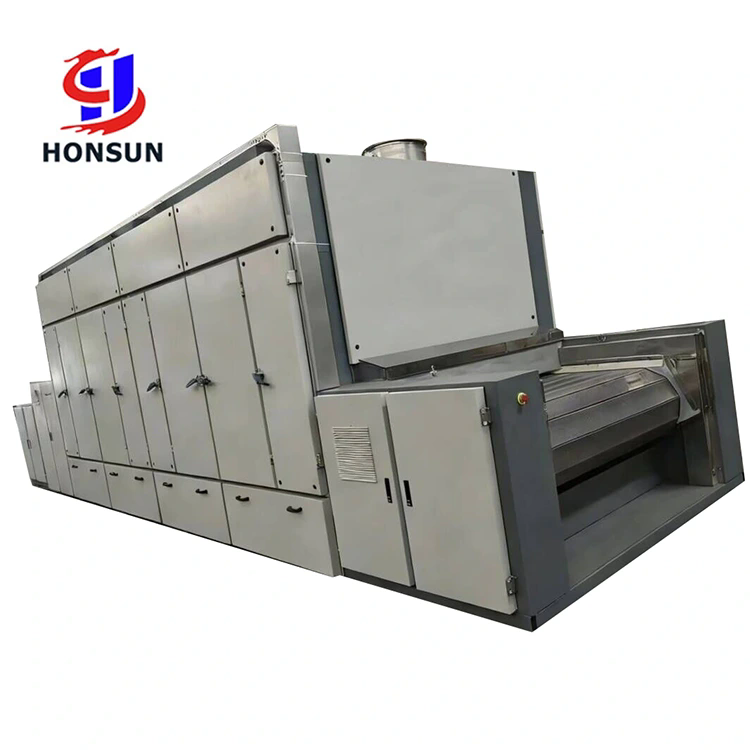
Table of Contents
- 1. What Is a Loose Fiber Dryer?
- 2. How Does a Loose Fiber Dryer Work?
- 3. Common Drying Challenges in Fiber Processing
- 4. Key Features and Technical Specifications
- 5. Benefits of Using a Loose Fiber Dryer
- 6. How to Choose the Right Loose Fiber Dryer
- 7. Maintenance and Operational Tips
- 8. Frequently Asked Questions
- 9. Conclusion
1. What Is a Loose Fiber Dryer?
A loose fiber dryer is an industrial machine used to remove moisture from fibers before further textile processing such as spinning or dyeing. Unlike conventional drying systems, it is designed to handle fibers in a loose, uncompressed state, ensuring even airflow and consistent moisture removal.
These machines are widely used in textile mills processing cotton, wool, polyester, and blended fibers. By maintaining fiber integrity, they help improve downstream processing efficiency and final product quality.
2. How Does a Loose Fiber Dryer Work?
The operation of a loose fiber dryer is based on controlled hot air circulation combined with gentle mechanical movement. The goal is to achieve uniform drying without damaging fiber structure.
- Fibers are evenly distributed inside the drying chamber
- Heated air flows through the fiber mass to remove moisture
- Air circulation systems ensure consistent temperature distribution
- Moist air is exhausted while fresh air is introduced
Advanced systems also include automated controls for temperature, humidity, and drying time, allowing precise adjustment based on fiber type.
3. Common Drying Challenges in Fiber Processing
Many manufacturers face significant issues during the drying process, which can lead to product defects and increased costs.
- Uneven Drying: Causes inconsistent fiber quality
- Fiber Damage: High temperatures can weaken fibers
- Energy Waste: Inefficient systems increase operating costs
- Low Throughput: Slow drying reduces productivity
A properly designed loose fiber dryer addresses these pain points by optimizing airflow, temperature control, and drying efficiency.
4. Key Features and Technical Specifications
| Parameter | Description |
| Drying Capacity | Varies depending on machine size and configuration |
| Temperature Range | Adjustable to suit different fiber types |
| Airflow System | Uniform air distribution for consistent drying |
| Control System | Automatic or semi-automatic operation |
| Energy Consumption | Optimized for efficient performance |
| Material Compatibility | Suitable for cotton, wool, synthetic fibers |
Machines manufactured by Shishi Hongshun Printing and Dyeing Machinery Co., Ltd. are engineered with advanced airflow systems and precise temperature controls to meet the diverse needs of modern textile production.
5. Benefits of Using a Loose Fiber Dryer
Investing in a high-quality loose fiber dryer provides several advantages that directly impact production efficiency and product quality.
- Uniform Moisture Removal: Ensures consistent fiber quality
- Reduced Fiber Damage: Gentle drying preserves fiber strength
- Improved Productivity: Faster drying cycles increase output
- Energy Efficiency: Optimized systems reduce power consumption
- Operational Stability: Reliable performance minimizes downtime
These benefits make loose fiber dryers an essential component in modern textile manufacturing.
6. How to Choose the Right Loose Fiber Dryer
Selecting the appropriate equipment requires careful evaluation of your production requirements and operating conditions.
- Fiber Type: Different fibers require different drying conditions
- Production Capacity: Match machine size with output needs
- Energy Efficiency: Look for optimized heating systems
- Automation Level: Choose between manual and automated controls
- Durability: Ensure long-term reliability in industrial environments
Working with an experienced manufacturer ensures that the equipment is tailored to your specific processing requirements.
7. Maintenance and Operational Tips
Proper maintenance is essential for maintaining efficiency and extending the lifespan of your loose fiber dryer.
- Clean air filters regularly to maintain airflow efficiency
- Inspect heating elements for consistent performance
- Monitor temperature settings to avoid overheating
- Lubricate moving parts to reduce wear and tear
Routine maintenance not only ensures stable operation but also prevents unexpected production interruptions.
8. Frequently Asked Questions
Q1: What types of fibers can be processed?
Loose fiber dryers are suitable for cotton, wool, polyester, and various blended fibers, making them versatile for textile applications.
Q2: How long does the drying process take?
Drying time depends on fiber type, moisture content, and machine settings, but advanced systems significantly reduce processing time.
Q3: Is the operation energy-efficient?
Modern loose fiber dryers are designed with optimized airflow and heating systems to minimize energy consumption while maintaining performance.
Q4: Can the machine be customized?
Yes, many manufacturers offer customized solutions to match specific production requirements and facility layouts.
9. Conclusion
A loose fiber dryer plays a crucial role in ensuring consistent fiber quality, improving production efficiency, and reducing operational costs. By addressing common drying challenges and offering precise control over the drying process, it becomes an indispensable asset in textile manufacturing.
Shishi Hongshun Printing and Dyeing Machinery Co., Ltd. provides advanced loose fiber drying solutions designed to meet the evolving needs of the textile industry, combining durability, efficiency, and performance.
If you are seeking to upgrade your fiber processing line and achieve better drying results, contact us today to explore customized solutions and professional support tailored to your business needs.