- English
- Español
- Português
- русский
- Français
- 日本語
- Deutsch
- tiếng Việt
- Italiano
- Nederlands
- ภาษาไทย
- Polski
- 한국어
- Svenska
- magyar
- Malay
- বাংলা ভাষার
- Dansk
- Suomi
- हिन्दी
- Pilipino
- Türkçe
- Gaeilge
- العربية
- Indonesia
- Norsk
- تمل
- český
- ελληνικά
- український
- Javanese
- فارسی
- தமிழ்
- తెలుగు
- नेपाली
- Burmese
- български
- ລາວ
- Latine
- Қазақша
- Euskal
- Azərbaycan
- Slovenský jazyk
- Македонски
- Lietuvos
- Eesti Keel
- Română
- Slovenski
- मराठी
- Srpski језик

How Does a Woven Dyeing Machine Optimize Color Uniformity and Production Efficiency?
Article Abstract
A woven dyeing machine plays a critical role in modern textile manufacturing, particularly for producers seeking stable color performance, high batch consistency, and scalable production efficiency. This article provides a structured and practical overview of how woven dyeing machines function, what operational challenges they address, and how manufacturers can evaluate and apply this equipment to meet demanding market requirements. By focusing on real-world production pain points—such as shade variation, fabric damage, energy consumption, and process control—this guide helps decision-makers gain a clearer understanding of value, reliability, and long-term operational outcomes.
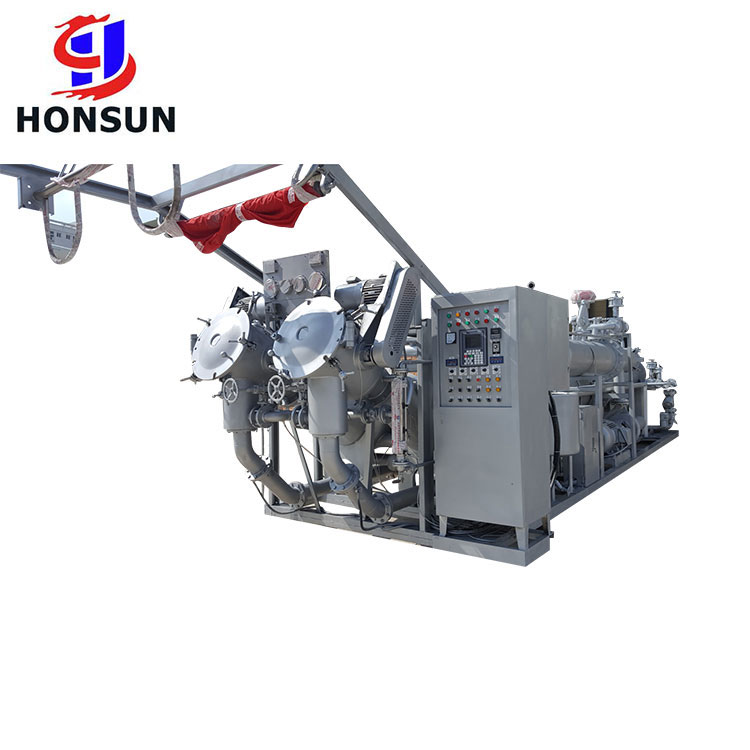
Table of Contents
- Overview of Woven Dyeing Machines
- Key Production Challenges in Woven Fabric Dyeing
- How a Woven Dyeing Machine Works
- Main Structural Components and Their Functions
- Operational Advantages in Industrial Applications
- Application Scenarios Across Textile Segments
- Selection Criteria for the Right Machine Configuration
- Maintenance and Operational Stability
- Frequently Asked Questions
- Conclusion and Business Guidance
Overview of Woven Dyeing Machines
A woven dyeing machine is a specialized industrial system designed to dye woven fabrics under controlled temperature, pressure, and chemical conditions. Unlike simpler dyeing setups, this equipment is engineered to manage fabric tension, liquor circulation, and thermal stability throughout the dyeing cycle. These capabilities are particularly important when processing cotton, polyester, blended fabrics, and high-density woven materials that demand precise color penetration.
In large-scale textile operations, woven dyeing machines are commonly integrated into continuous or semi-batch production lines. Their design prioritizes repeatability, ensuring that each production lot meets predefined quality standards while minimizing rework and material waste.
Key Production Challenges in Woven Fabric Dyeing
Manufacturers working with woven fabrics often face a series of recurring challenges during dyeing operations. These challenges directly affect delivery timelines, cost control, and customer satisfaction.
- Uneven color distribution caused by poor liquor flow or inconsistent fabric movement
- Fabric creasing or abrasion during high-temperature processing
- High water and energy consumption due to inefficient heating and circulation systems
- Limited shade reproducibility across different production batches
- Complex process control requiring skilled operators and frequent manual adjustments
A properly configured woven dyeing machine is designed to systematically reduce these risks by combining mechanical precision with automated process control.
How a Woven Dyeing Machine Works
The operational principle of a woven dyeing machine centers on controlled fabric circulation within a sealed dyeing chamber. Fabric is loaded in rope or open-width form, depending on machine design and fabric characteristics. Dye liquor is then circulated at a controlled velocity to ensure uniform contact with the textile surface.
Temperature is increased gradually according to programmed dyeing curves, allowing dyes and auxiliaries to penetrate fibers evenly. Throughout the process, sensors monitor pressure, temperature, and flow rate, enabling consistent execution from batch to batch. Once dyeing is complete, rinsing and fixation stages are carried out within the same system to maintain process continuity.
Main Structural Components and Their Functions
| Component | Primary Function |
|---|---|
| Dyeing Vessel | Provides a sealed environment for high-temperature and high-pressure dyeing processes |
| Circulation Pump | Ensures continuous and even movement of dye liquor across fabric surfaces |
| Heat Exchange System | Controls heating and cooling cycles with precision to stabilize dye uptake |
| Fabric Transport Mechanism | Manages fabric movement to prevent tension damage and creasing |
| Control Interface | Allows operators to program and monitor dyeing parameters in real time |
Operational Advantages in Industrial Applications
When compared with conventional dyeing methods, woven dyeing machines offer several measurable operational advantages. These benefits are particularly evident in high-volume or quality-sensitive production environments.
- Improved color consistency across large fabric batches
- Reduced re-dyeing and rejection rates
- Lower consumption of water, dyes, and auxiliary chemicals
- Enhanced fabric surface integrity after dyeing
- Greater process transparency through automated monitoring
These advantages translate into more predictable production schedules and improved alignment with downstream finishing processes.
Application Scenarios Across Textile Segments
Woven dyeing machines are widely applied across multiple textile segments, including apparel, home textiles, industrial fabrics, and decorative materials. Each segment places distinct demands on dyeing performance.
- Apparel fabrics: Emphasis on soft handle, shade accuracy, and colorfastness
- Home textiles: Focus on batch consistency and resistance to repeated washing
- Industrial fabrics: Requirement for deep penetration and structural stability
By adjusting machine configuration and dyeing recipes, manufacturers can adapt a single woven dyeing machine platform to serve multiple product lines.
Selection Criteria for the Right Machine Configuration
Choosing the appropriate woven dyeing machine involves evaluating both technical and operational factors. Decision-makers should assess fabric types, target output, and long-term production planning.
- Maximum fabric load capacity per batch
- Supported temperature and pressure ranges
- Automation level and control system flexibility
- Compatibility with existing production infrastructure
- Supplier support and technical service availability
Manufacturers such as Hongshun focus on aligning machine design with real production conditions, enabling stable operation across diverse fabric specifications.
Maintenance and Operational Stability
Consistent performance of a woven dyeing machine depends on structured maintenance and proper operational discipline. Routine inspection of seals, pumps, and sensors helps prevent unplanned downtime. Equally important is operator training, ensuring that process parameters are applied correctly and safely.
Modern machines are increasingly designed with maintenance accessibility in mind, reducing service time and improving overall equipment availability.
Frequently Asked Questions
What fabrics are best suited for woven dyeing machines?
Woven dyeing machines are suitable for cotton, polyester, viscose, and blended woven fabrics, especially those requiring uniform coloration and controlled processing conditions.
Can woven dyeing machines support small-batch production?
Yes. Many systems are designed with flexible batch sizing, allowing efficient operation even for smaller production runs without compromising color accuracy.
How does automation improve dyeing outcomes?
Automation reduces manual intervention, stabilizes process variables, and enhances repeatability, which collectively improve final fabric quality and operational reliability.
Conclusion and Business Guidance
A woven dyeing machine is more than a piece of equipment—it is a strategic production asset that directly influences quality consistency, operational efficiency, and market competitiveness. By understanding its working principles, structural components, and application value, textile manufacturers can make informed decisions that support long-term growth.
If your organization is evaluating advanced dyeing solutions or planning to upgrade existing production lines, Hongshun offers practical insights and tailored equipment options. To explore how a woven dyeing machine can align with your specific production goals, contact us today to discuss technical details and project requirements.